
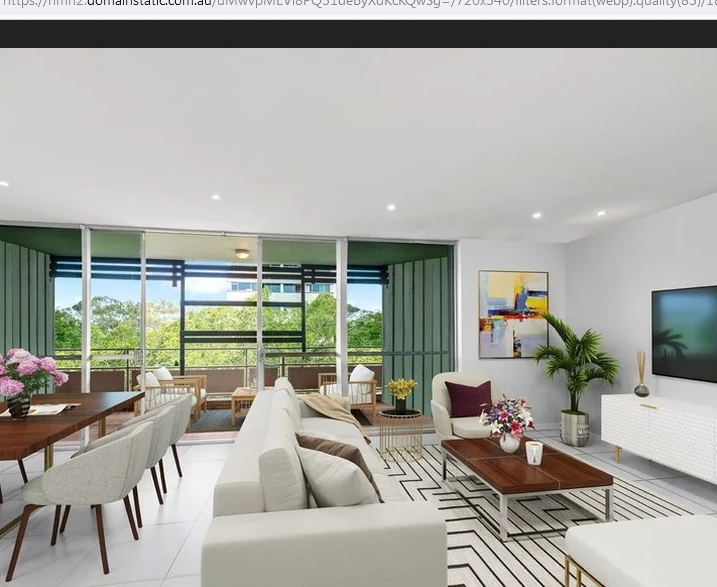
London’s West End is an unusual residential market. Homes sit alongside theatres, offices, hotels and busy shopping streets. Tenants value access to work, entertainment and transport, but expectations can be high. Condition, security, noise and building management can influence demand as much as floor area.
A period conversion in Fitzrovia, an apartment near Soho and a managed block around Marylebone may attract different tenants and rents. Even within one building, floor level, lift access, outlook and natural light can affect interest.
A knowledgeable West End rental agency can identify relevant comparisons, position the property for its likely audience and prepare the tenancy correctly. Broad Westminster averages cannot describe every street or building.
Most private tenancies in England became assured periodic tenancies on 1 May 2026. Section 21 evictions ended, rental bidding was banned and landlords cannot request more than one month’s rent in advance. Agreements must reflect these rules.
Understand what attracts West End tenants
Professionals may prioritise a short journey to central offices, fast broadband and reliable building services. International tenants may value furnishing and professional management, while couples or sharers may focus on storage and Underground access.
The West End’s wider commercial strength supports its appeal as a place to live and work. A June 2026 office market report recorded prime West End office rents of £165 per square foot in the first quarter. Commercial figures do not predict residential rents, but they demonstrate the continuing premium attached to high-quality space in central locations.
A prestigious postcode does not guarantee immediate demand. Noise, limited outside space, inefficient layouts or tired communal areas can narrow the audience. Marketing should present the advantages honestly.
Set the rent using relevant evidence
Official figures show that the average monthly private rent in Westminster was £3,168 in June 2026, down 2.5% from a year earlier. One-bedroom homes averaged £2,522 and two-bedroom homes £3,274. These figures offer context, but they cover a wide borough and should not replace property-specific comparisons.
A reliable assessment should consider location, condition, floor level, furnishing, porterage, lift access and outdoor space. Achieved rents and current competition show more than asking figures alone.
An excessive asking rent may produce a longer void. A realistic launch can generate better-qualified enquiries and reduce the need for a later reduction.
Check whether the property needs a licence
Licensing is a particularly important local consideration. Since 24 November 2025, Westminster’s selective licensing scheme has applied to most privately rented properties in 15 wards, including the West End ward. This includes homes rented to one person, one household or two individuals sharing, unless an exemption applies or the property is covered by an HMO licence.
Mandatory HMO licensing generally applies where five or more people from two or more households share facilities. Westminster’s renewed additional HMO licensing scheme begins on 31 August 2026 and covers certain smaller HMOs across the city, including properties occupied by at least three people from two or more households who share a kitchen or bathroom.
Read More: Why Local Knowledge Matters When Moving Home in Blackheath
The requirement depends on occupancy and property type. Landlords should confirm the position with Westminster City Council before marketing or changing occupiers. Letting without a required licence can lead to substantial penalties and rent repayment orders.
Confirm permission and insurance
Owners with a residential mortgage should obtain consent to let or arrange an appropriate buy-to-let product. Leaseholders must check the lease and building rules for restrictions on letting, minimum tenancy periods, pets, flooring or furnished occupation. Some buildings also require registration of the tenancy or payment of an administration fee.
Ordinary home insurance is unlikely to be sufficient. Landlord cover should match the building, contents and occupation. Optional liability, legal-expense or rent-loss protection may be useful, but exclusions need review.
Meet safety and property standards
The property must be safe and in good repair. Supplied gas appliances and flues require an annual check by a Gas Safe registered engineer. The electrical installation must normally be inspected at least every five years, and the report must be given to the tenant. Required smoke and carbon monoxide alarms should be installed and tested at the start of the tenancy.
A valid Energy Performance Certificate is normally required before advertising, and most rented homes must achieve at least an E rating unless a registered exemption applies. In older West End buildings, improving windows, heating or ventilation may require freeholder consent or planning approval, particularly where the property is listed or within a conservation area.
Checking water pressure, heating, ventilation, damp and sound transmission before occupation can prevent repeated complaints.
Prepare for the 2026 tenancy rules
Most new and existing private tenancies now operate as assured periodic tenancies rather than fixed-term assured shorthold tenancies. New tenants must receive the prescribed written information before the tenancy is agreed. If a landlord later needs possession, an applicable statutory ground and the correct notice procedure must be used.
Rent increases are generally limited to once a year through the revised section 13 process. Marketing must state a clear rent, and landlords or agents cannot invite, encourage or accept bids above it. Tenants can request permission to keep a pet, and any refusal must be supported by a valid reason.
Read More: Hidden delays from anti money laundering checks for estate agents
Deposits must be protected in an authorised scheme within 30 days, with the prescribed information served correctly. Right to Rent checks are required for adult occupiers. A well-organised compliance file should include the licence, tenancy information, deposit records, safety certificates, inspection reports and repair correspondence.
Choose tenants and document the condition
Referencing should verify identity, affordability, rental history and intended occupiers without discrimination. Where overseas income or company involvement complicates the arrangement, the payment structure and any guarantee should be drafted appropriately.
A dated photographic inventory should record furniture, appliances, keys, meter readings, cleanliness and existing damage. Tenants should be able to comment, while inspections must respect notice requirements and quiet enjoyment.
Budget for active management
Headline rent is not the same as return. Landlords should budget for service charges, insurance, agency fees, licensing, safety checks, repairs, tax, void periods and replacement furnishings. Managed blocks may also issue major-works demands or restrict access for contractors, making forward planning important.
The West End can offer access to a valuable tenant market, but it rewards preparation. Accurate pricing, correct licensing, responsive maintenance and clear communication are essential. As rules and local schemes can change, landlords should confirm current requirements and obtain legal, tax or financial advice where appropriate before letting.








+ There are no comments
Add yours