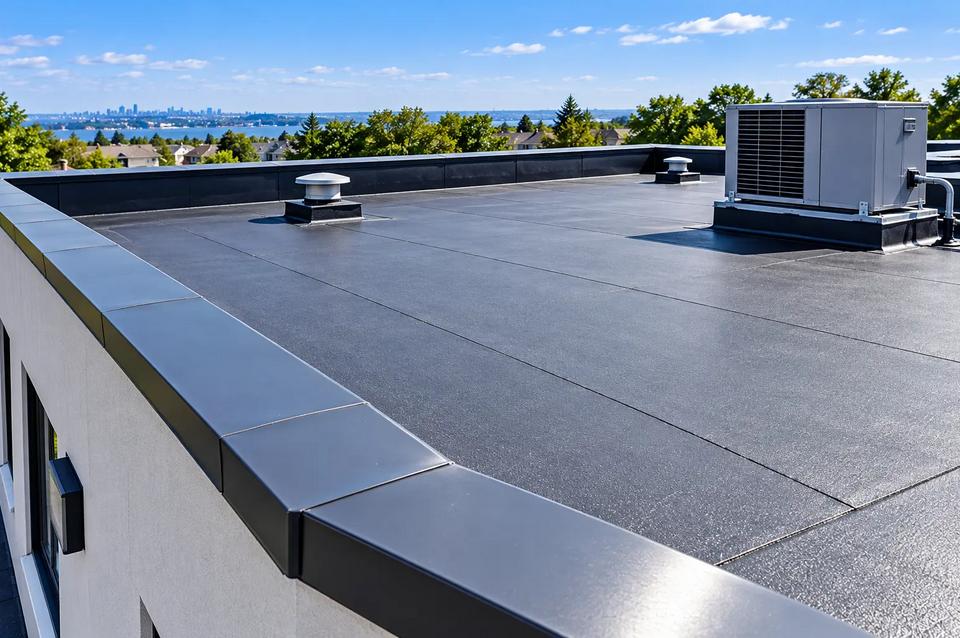
Flat roofs are a popular choice for commercial buildings and some homes in New Jersey. They offer a clean design and make it easier to install heating, cooling, and other equipment. However, New Jersey experiences different weather conditions throughout the year, including heavy rain, snow, freezing temperatures, and hot summer days. These changes can put stress on flat roofing systems and lead to costly damage if problems are not fixed early.
Understanding how local weather affects your roof can help you protect your property, avoid major repairs, and extend the life of your roofing system.
Heavy Rain Can Cause Roof Leaks
Heavy rainfall is one of the most common causes of flat roof problems. Unlike sloped roofs, flat roofs drain water more slowly. If the drains or gutters become blocked by leaves, dirt, and other debris, water may collect on the roof.
Standing water can weaken roofing materials over time and increase the risk of leaks. Even small cracks or damaged seams can allow moisture to enter the building.
To prevent these problems, keep roof drains and gutters clean. Check your roof after heavy storms and look for areas where water remains for too long. If you notice leaks, cracks, or damaged roofing materials, professional flat roof repair NJ services can help address the problem before it becomes more serious.
Snow and Ice Can Damage Flat Roofs
Winter weather in New Jersey can bring snow, ice, and freezing temperatures. Heavy snow can place extra weight on a flat roof, especially if drainage is poor. Ice can also block drains and prevent melting snow from flowing away properly.
When water freezes and expands inside small cracks, it can make existing damage worse. Repeated freezing and thawing may cause roofing materials and seams to weaken.
Read More: Estate Agents in Margate: Pricing Your Property to Sell
Regular roof inspections before winter can help identify weak spots and drainage issues. After a heavy snowfall, watch for warning signs such as sagging areas, new leaks, or unusual cracking sounds. Never climb onto an icy roof or attempt unsafe snow removal. Contact a qualified roofing professional if you are concerned about snow buildup or possible structural damage.
Hot Summer Days Can Weaken Roofing Materials
New Jersey summers can bring high temperatures, strong sunlight, and humid conditions. Prolonged exposure to heat and ultraviolet rays can cause some roofing materials to age, crack, or lose flexibility.
Temperature changes can also cause roofing materials to expand and contract. Over time, this movement may weaken seams, flashing, and other connection points.
To reduce heat-related damage, schedule routine inspections during the year. A roofing professional can check for loose seams, worn surfaces, and other signs of aging. Keeping your roof in good condition can help prevent minor problems from turning into expensive repairs.
Strong Winds and Storms Can Damage Roof Surfaces
New Jersey can experience strong winds and severe storms that may loosen roofing membranes, damage flashing, or carry debris onto the roof. Falling branches and other objects can puncture the roofing surface, creating openings for water to enter.
After a major storm, check your ceilings and walls for water stains and look for visible damage from a safe location. Do not walk on the roof if it is wet or unstable. If your commercial property develops a leak after a storm, seeking commercial roof leak repair Essex County NJ services promptly can help limit water damage and protect your building’s interior.
Why Regular Flat Roof Maintenance Matters
Routine maintenance is one of the best ways to protect a flat roof from New Jersey’s changing weather. Small issues, such as loose seams, blocked drains, and minor cracks, are usually easier to address before they cause widespread damage.
A good maintenance plan should include clearing debris, checking drainage, inspecting flashing, and looking for signs of moisture. Scheduling professional inspections at least once or twice a year, as well as after severe storms when needed, can help identify problems early.
Protect Your Roof With Professional Repairs
New Jersey’s changing weather can affect flat roofs in many ways, but proper care can reduce the risk of serious damage. Regular inspections, clean drainage systems, and timely repairs help keep your roof in better condition throughout the year.
Read More: What Areas of an Industrial Facility Should Be Power Washed Regularly?
If you notice standing water, leaks, damaged seams, or other signs of trouble, do not ignore them. Working with an experienced roofing contractor can help you find the cause of the problem and choose the right solution. Taking action early can protect your building, reduce repair costs, and help your flat roof last longer.






+ There are no comments
Add yours