
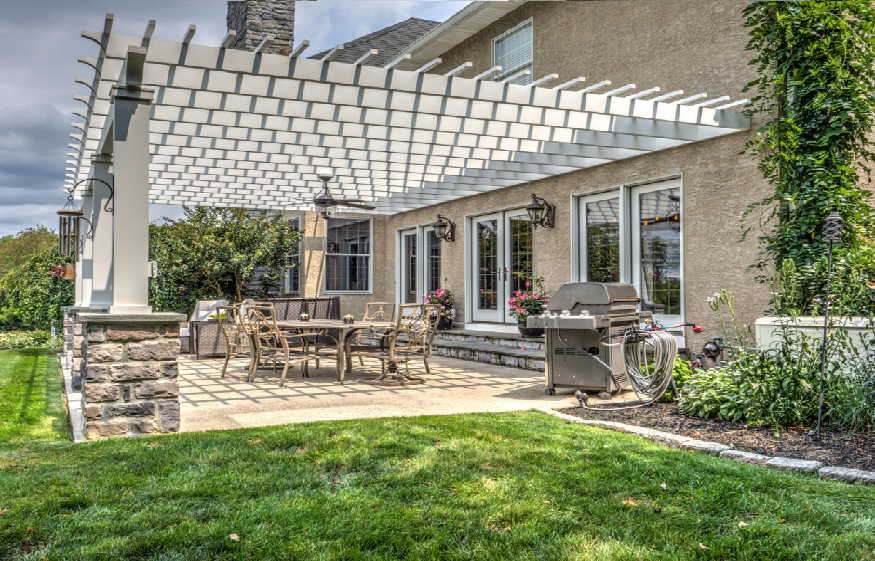
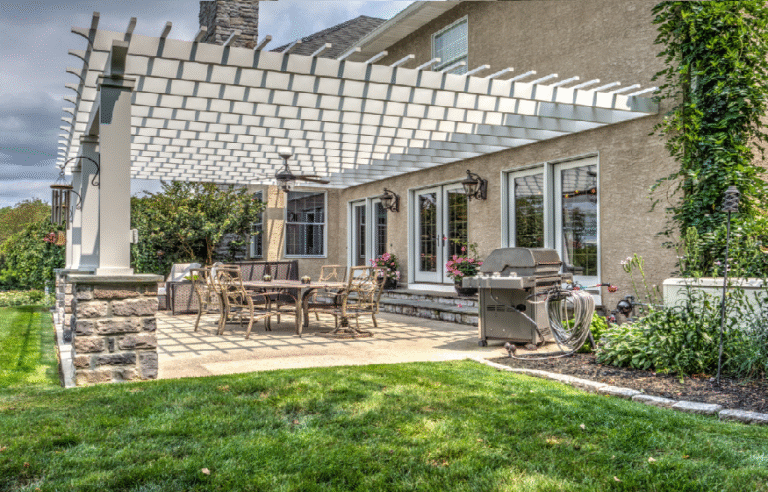
An existing patio gives you a head start when planning a pergola, but it can also make the project look more straightforward than it really is. The concrete or pavers are already in place, the back door has established the main route into the yard, and furniture tends to settle into familiar positions over time. Once a pergola enters the picture, those everyday habits start to matter more. A post that looks perfectly reasonable on a drawing can end up crowding a dining chair, interrupting the path to the lawn, or landing in the same corner where everyone naturally gathers during a cookout.
That is especially worth thinking about in Windsor, where backyard layouts vary widely between older neighborhoods and newer communities such as Water Valley and RainDance. Some homes have larger lots with broad patios and room to spread out, while newer properties may have more defined outdoor areas that need to work hard within a tighter footprint. Before choosing the size or style of a pergola, it helps to pay attention to how your patio already functions and where a structure would improve the experience rather than complicate it.
Start With the Way You Already Use the Patio
A useful first step is to watch what happens on the patio during an ordinary weekend. Notice the route people take from the kitchen to the grill, how far dining chairs are pulled back when everyone is seated, and which part of the patio tends to collect people once the table fills up. Those movements are easy to overlook because they happen without much thought, yet they can have a large influence on where pergola posts belong.
Read More: Choosing the Right Persian Rug for Your Home: Tribal or Floral?
Sliding doors and French doors deserve particular attention. A pergola placed close to the house will become part of the transition between indoors and out, so the first few feet beyond the doorway should continue to feel comfortable. If a post lands too close to that path, the space can feel narrower every time someone steps outside carrying food or drinks. Giving that transition a little more room can make the entire patio feel easier to use.
Temporary markers can be surprisingly helpful here. Set a few planters, buckets, or stakes where the proposed posts would sit and leave them there for a day or two. Walk around them when the patio is actually being used. That small exercise usually reveals more than looking at measurements alone.
The Pergola Does Not Have to Match the Patio Exactly
It is common to assume that the pergola should follow the exact outline of the existing patio. Sometimes that works beautifully, especially when the patio was designed with a future structure in mind. In other cases, the edge of the concrete has very little to do with the amount of covered space you actually want.
A large Windsor patio might have one end dedicated to grilling and another used for dining. Covering the whole thing could put cooking equipment beneath the pergola and create a structure much larger than the seating area requires. Covering the dining portion alone can give that part of the patio a stronger sense of place while leaving the grill in open air.
The opposite situation is common too. A smaller patio may feel cramped once a table, chairs, and pergola posts all occupy the same footprint. Extending the paved area during the project can provide more room around the furniture and make the pergola feel proportionate. Looking at the patio and pergola together gives you more flexibility than treating the existing hard edge as a fixed design rule.
Pay Attention to What Is Under the Patio and Around It
Most of the visually interesting pergola decisions happen above ground, but some of the decisions that matter most take place below it. Pergola posts need appropriate structural support, and an existing slab does not automatically mean every point on the patio is ready to receive a post.
Irrigation is an important consideration in Windsor because some neighborhoods use non-potable irrigation systems while other properties may connect landscaping to potable water. Sprinkler lines frequently run along patio edges or between lawn and planting beds, which are also logical places for pergola footings. Knowing where those lines are before excavation begins can prevent an avoidable repair and may influence the final placement of the structure.
Drainage deserves the same attention. Windsor can receive intense summer storms, and homeowners usually know which areas of the patio collect water after a downpour. Look at nearby downspouts, the slope of the patio, and the path water takes toward the yard. If one corner already stays wet, adding a footing or altering the surrounding grade can make an existing drainage issue more noticeable. Addressing those conditions as part of the project produces a cleaner result than working around them later.
Landscape lighting wire, gas lines serving a grill or fire feature, and other utilities may also run close to the patio. A little investigation early in the design process helps the pergola fit into what is already happening around the house.
Think Beyond the Furniture You Have Today
Outdoor furniture changes much more frequently than a pergola does. A small table that works well for your family now may eventually be replaced by something larger, especially if the patio becomes a place where friends and extended family gather more frequently. Lounge chairs can turn into a sectional, and a simple grill station can grow into a more substantial cooking area.
Planning for every possible future change would make the process unnecessarily complicated, but giving the space some flexibility is worthwhile. Leave enough room around a dining area that a slightly larger table could still function comfortably. If integrated lighting, a fan, or additional electrical features are possibilities, consider those while the structure is being planned instead of waiting until after everything is finished.
The pergola can also influence how the rest of the backyard develops. In a newer Windsor neighborhood where trees are still relatively young, the structure may provide much of the definition around the patio for several years. As landscaping matures, shrubs and trees can gradually change the sense of enclosure around it. Thinking about that future landscape can help avoid placing a pergola where growing trees will eventually crowd the beams or interfere with the structure.
Check the Windsor Requirements Early
The Town of Windsor advises homeowners to check with its permitting staff to determine the requirements for a pergola project. Property setbacks and lot boundaries can influence placement, particularly when an existing patio is close to the rear or side property line. Easements may also affect where footings can be installed.
Neighborhood requirements can add another layer. Windsor has many planned communities, and architectural review standards can vary between them. A pergola that works on a property in one part of town may face different size, material, or placement requirements in another. Checking those details while the design is still flexible is much easier than making significant changes after materials have been selected.
This is one area where newer Windsor development can make assumptions risky. Communities including Water Valley and RainDance were developed through their own planning and subdivision processes, and individual properties can have different easements and neighborhood standards even when the homes themselves look fairly similar.
Let the Existing Patio Guide the New Structure
After living with a patio for a while, most homeowners already know what works well and what becomes frustrating. Maybe the dining area feels exposed, or the furniture never seems to settle naturally into the space. The patio may have plenty of square footage but still lack a comfortable center when people gather.
Read More: How to successfully install your wallpaper?
Those observations are useful starting points for a pergola because they connect the structure to the way you already use your home. Instead of beginning with a standard pergola size, you can work outward from the table, the door, the grill, the landscaping, and the routes people take through the yard.
For homeowners considering pergola installation in Windsor, All Terrain Landscaping can plan the structure alongside the existing patio and surrounding landscape so those relationships are considered from the beginning. The dimensions matter, but so do the small details that influence everyday use after the project is finished.
A pergola can change the appearance of a patio immediately. Over time, its real value tends to show up in quieter ways: chairs have enough room to move, people pass comfortably between the house and yard, and the patio feels like a place that was planned around how you actually live.





+ There are no comments
Add yours