

Blackheath combines a village-style centre, open heathland and convenient connections with the character of south-east London. Its housing ranges from substantial period homes and converted apartments to purpose-built flats and newer developments. That variety attracts different buyers, but it also means property values and practical considerations can change noticeably between nearby roads.
Moving within or into the area requires more than comparing asking prices. Station access, parking, conservation controls, school admissions, building condition and the boundary between Lewisham and Royal Greenwich can all affect whether a particular home suits the buyer and how it should be marketed by the seller.
Experienced local agents in Blackheath can provide context that broad London data and automated valuations may miss. They should understand how buyers respond to a home’s exact position, property type, condition and access to the village, heath and transport connections. This helps buyers create a more focused shortlist and enables sellers to make better-informed decisions about price and presentation.
Understanding Blackheath’s different settings
The term Blackheath can describe several connected but distinct residential areas. Blackheath Village offers immediate access to shops, cafés, restaurants and the station. Roads around the heath can provide open views and a strong sense of space, while other parts of SE3 may offer larger gardens, quieter surroundings or easier road access.
These distinctions matter when comparing homes. Two properties with a similar floor area and number of bedrooms may not have the same value if one has a better layout, more private outside space or a quieter position. Proximity to the railway can be convenient, but buyers should also consider noise, weekend activity and the walk home rather than relying only on the distance shown on a map.
Read More: Hidden delays from anti money laundering checks for estate agents
A locally informed search can identify sensible alternatives when the preferred road is outside budget. Buyers may find that a nearby street offers the same transport options or architectural style with fewer compromises. Sellers benefit when marketing explains the property’s immediate setting accurately instead of relying on generic descriptions of Blackheath.
Comparing different property types
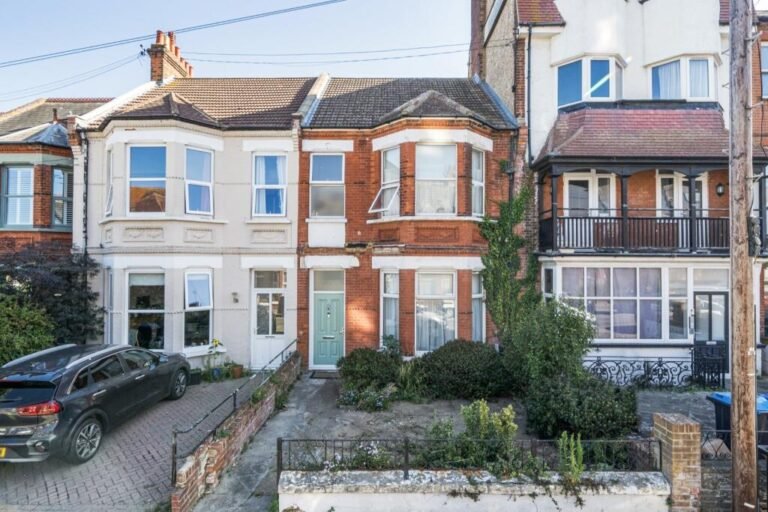
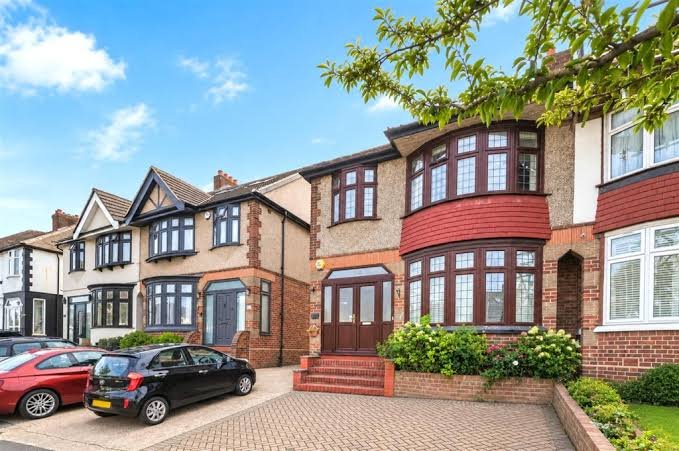
Blackheath’s architectural character is a major part of its appeal, but older buildings require careful assessment. Period houses may have original windows, roofs, chimneys, basements or extensions that need specialist inspection. Renovation work can improve a home, but buyers should confirm that alterations have the necessary planning permission, building regulations approval and supporting documentation.
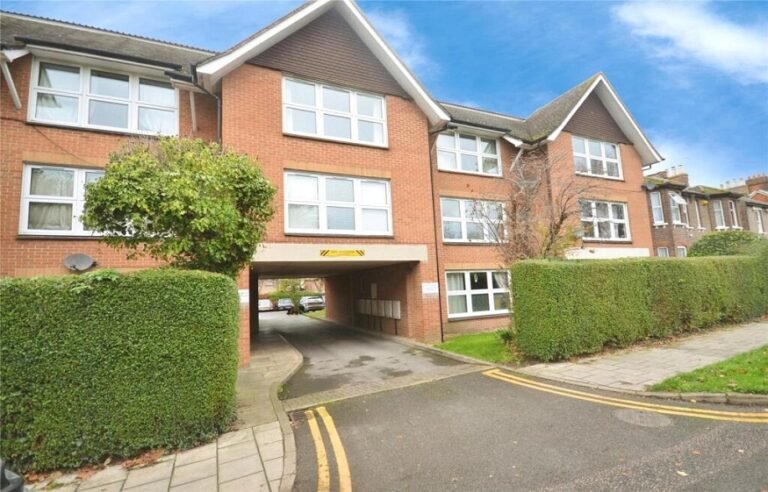
Converted flats require additional checks. The quality of sound insulation, maintenance responsibilities and condition of shared areas can affect day-to-day living. Buyers should review the lease length, ground rent provisions, service charges, reserve funds and any planned major works. They should also establish who manages the building and how effectively previous repairs have been handled.
Recognising conservation and planning considerations
Large parts of Blackheath are protected for their architectural and historic character. The area also crosses two local authority boundaries, so the relevant planning guidance may come from either Lewisham Council or the Royal Borough of Greenwich. Buyers should confirm which borough covers the property rather than assuming the rules are identical.
Conservation-area status can affect changes to windows, roofs, front boundaries, trees and extensions. Some Lewisham streets are also covered by Article 4 directions, which remove certain permitted development rights. This does not prevent all alterations, but it can mean that work requires permission and must be designed sensitively.
Read More: Reasons Families Continue To Rely On Plumbing Specialists In Houston Year After Year
Sellers should gather approvals and certificates for previous work before marketing. Missing paperwork can create uncertainty once the buyer’s solicitor begins enquiries. Buyers planning immediate alterations should seek planning advice before treating an extension or conversion as part of the property’s future value.
Looking beyond today’s streetscape
Local areas continue to change, and proposed development can influence access, parking, amenities and buyer perceptions. In January 2026, councillors deferred a decision on proposed housing at Blackheath station car park while requesting more information about its potential effect on the village economy, parking and farmers’ market. The detailed report on the Blackheath station car park proposal illustrates why buyers should check the current status of significant nearby planning applications.
Local agents often hear the questions buyers are asking about proposed changes. They can explain the current market response, but factual planning status should always be confirmed through the relevant council records and legal searches.
Checking transport and everyday convenience
Blackheath station is an important part of the area’s appeal, particularly for people travelling into central London. Local bus routes also connect surrounding neighbourhoods and nearby centres. However, commuting requirements vary, so buyers should test the journey at the time they expect to travel and check current timetables before making a decision.
Daily convenience involves more than the commute. Buyers may need parking, cycle storage, step-free access, childcare, green space or easy access to particular shops and services. Visiting on a weekday, evening and weekend can reveal changes in traffic, noise, footfall and parking availability that are not obvious during a single viewing.
Families should investigate school admissions directly. Being close to a school does not guarantee a place, and priority areas or admissions criteria can change. A knowledgeable agent can point buyers towards the correct information, but the relevant school or local authority remains the appropriate source for confirmation.
Pricing a Blackheath home accurately
Online estimates can provide a rough starting point, but they may struggle with unusual layouts, divided period buildings, private gardens, parking or differences in condition. A reliable valuation should use recent comparable sales while explaining the adjustments made for features that are specific to the property.
For sellers, an ambitious asking price can reduce early interest and make a listing appear stale. Pricing too cautiously may also leave value behind. Local evidence helps identify a sensible launch position and the buyer groups most likely to respond.
Managing offers and the transaction
The strongest offer is not always the highest figure. Sellers should consider the buyer’s funding, chain position, timescale and readiness to instruct a solicitor. A slightly lower offer from a prepared buyer may provide more certainty than a higher bid dependent on a long or incomplete chain.
Once an offer is accepted, local experience can help keep communication moving between the parties, conveyancers, surveyors and lender. Older, converted or extended properties may produce additional questions, so early access to leases, planning documents, warranties and management information can prevent avoidable delays.
Moving home in Blackheath is ultimately a property-specific decision. The exact road, borough, building type, transport position and planning context can matter as much as the postcode. Combining local market knowledge with independent legal, financial and surveying advice gives buyers and sellers a clearer basis for making decisions and progressing with confidence.







+ There are no comments
Add yours