
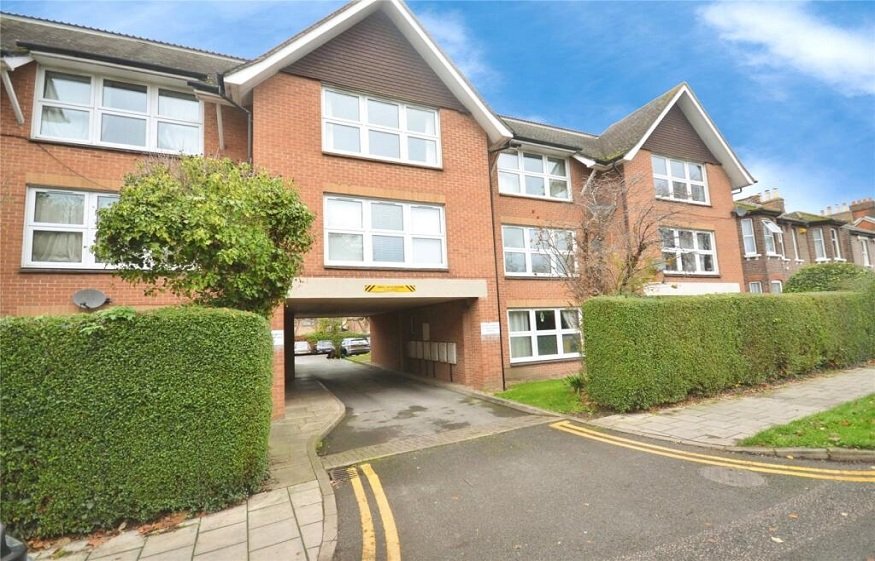
If you’re a landlord in England, the rules around getting your property back have changed for good. Section 21 — the notice landlords could rely on without giving a reason — no longer exists for private tenancies, and that shift has caught a lot of people off guard. Whether you’re weighing up a sale, planning a move back in, or dealing with a tenant who’s stopped paying, it’s worth getting proper landlord advice from letting agents in Aylesbury before you serve anything. Here’s what’s actually changed and what it means for you.
Why Section 21 disappeared
For years, Section 21 was the go-to option for landlords who wanted their property back without having to prove the tenant had done anything wrong. People called it the “no-fault” route, and it was simple: serve notice, wait out the period, and the tenancy would come to an end.
As of 1 May 2026, that option is gone. Under the Renters’ Rights Act 2025, private landlords in England now have to use Section 8 of the Housing Act 1988, which means giving a genuine, recognised reason before you can apply to court for possession.
This doesn’t mean you’re stuck if you need your property back. It just means the process now starts with a question you didn’t used to have to answer: why do you actually need it?
The grounds you’ll need to rely on
Section 8 works through a list of specific grounds, and each one comes with its own rules, notice periods, and evidence requirements. Broadly, they split into two types.
Mandatory grounds mean that if you can prove the ground applies, the court has to grant possession — there’s no wiggle room for the judge to decide otherwise.
Discretionary grounds are different. Even if you prove your case, the court still has to be satisfied that granting possession is reasonable in the circumstances.
Knowing which category you’re dealing with matters enormously, because it changes how strong your position actually is before you ever set foot in court.
Selling the property
If you genuinely want to sell, there’s a mandatory ground built for exactly that situation. But it comes with conditions. You can’t use it within the first 12 months of a new tenancy, and once you’re past that point, you still need to give four months’ notice before applying to court.
Timing catches a lot of landlords out here. If you decide to sell six months into a tenancy, you can’t simply give four months’ notice and expect the tenant gone at the ten-month mark — the 12-month protection has to be respected first. There are also limits on re-letting the property afterwards, so this isn’t a shortcut for getting rid of a tenant and finding someone new.
Read More: How the Ilford Rental Market Has Changed – And What Landlords and Tenants Need to Know
Moving back in yourself
A similar ground exists if you or a close family member need to live in the property. The same 12-month protection and four-month notice period apply, and the same restrictions kick in if you try to re-let shortly after. The key word throughout is “genuinely” — these grounds exist for real circumstances, not as a workaround.
Rent arrears
This is still one of the most common reasons landlords need possession, but the thresholds have shifted. For monthly rent, tenants generally need to owe at least three months’ worth, both when notice is served and when the case reaches court. Weekly or fortnightly tenancies use a 13-week threshold instead. Notice in these cases is four weeks.
There are also discretionary grounds for smaller arrears or a pattern of late payment, though these give the court more room to weigh things up rather than granting possession automatically.
Whatever the situation, your records need to hold up. Clear, dated evidence of what was owed and when makes an enormous difference if things end up in front of a judge.
Other breaches of tenancy
Beyond arrears, there are grounds covering things like property damage, anti-social behaviour, or breaking other terms of the agreement. These tend to be discretionary and usually carry shorter notice periods, but a difficult relationship with a tenant isn’t, by itself, enough. You need the specific ground to genuinely apply, backed by evidence.
Getting the notice right
A Section 8 notice has to name the ground or grounds you’re relying on and explain why they apply. Notice periods vary hugely depending on the ground — from as little as two weeks for some tenancy breaches up to four months for selling or moving in — so treating this as a one-size-fits-all form is where a lot of landlords run into trouble.
Read More: Understanding your home’s worth through instant online valuation
If the tenant doesn’t leave
A valid notice doesn’t guarantee the tenant walks away once it expires. If they stay put, you’ll need to apply to court, where the ground you’re relying on gets properly tested. Mandatory grounds mean the court has to grant possession once proven; discretionary ones leave room for judgement.
Whatever happens, don’t be tempted to take matters into your own hands — changing locks or removing belongings without a court order isn’t a shortcut, it’s a legal problem waiting to happen.
The bottom line
Section 21 being gone doesn’t mean landlords are without options. It just means the process starts earlier and requires more care — identifying the right ground, calculating the correct notice period, and having your evidence ready before you serve anything. Getting advice at the outset, rather than after something’s gone wrong, tends to save landlords a lot of time, stress, and money down the line.









+ There are no comments
Add yours