
Underground oil tanks can be difficult to find because they are buried beneath soil, driveways, lawns, and other parts of a property. Many older homes and buildings in New Jersey once used underground tanks to store heating oil. Some of these tanks may have been abandoned or forgotten over time. However, an old underground tank can create serious problems if it is damaged, leaking, or left undiscovered.
Fortunately, modern scanning technology has made underground oil tank detection more accurate and reliable. With the help of advanced equipment, professionals can examine properties and look for signs of buried tanks without immediately digging up the ground. Understanding how this technology works can help property owners make better decisions and avoid unexpected problems.
1. Modern Technology Helps Locate Hidden Underground Tanks
Traditional underground tank searches often relied on property records, visual inspections, and basic digging methods. While these methods can provide useful information, they may not always identify the exact location of a buried tank.
Modern scanning equipment offers a better way to investigate underground areas. Professionals can use specialized tools to examine the soil and identify unusual objects beneath the surface. This helps narrow down possible tank locations and reduces the need for unnecessary digging.
For property owners, this means a more organized inspection process and a better understanding of what may be hidden underground.
2. Ground Penetrating Radar Provides Valuable Information
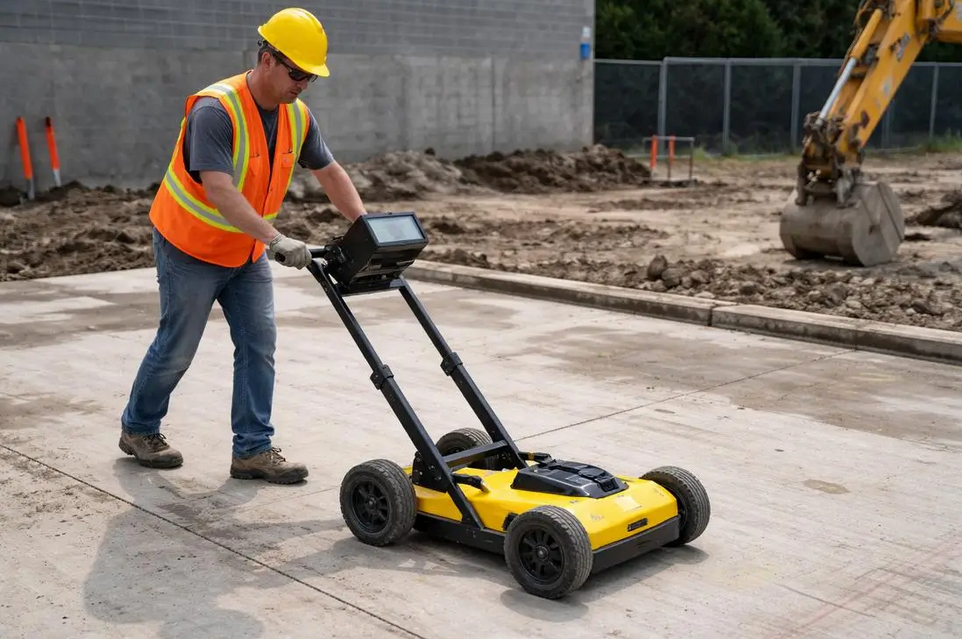
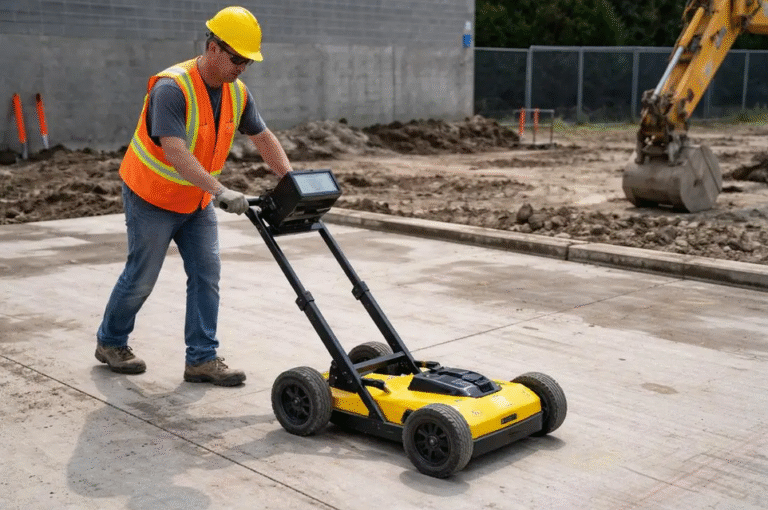
Ground Penetrating Radar (GPR) is one of the technologies used for underground oil tank detection. It works by sending radar signals into the ground and measuring the signals that bounce back from underground objects.
When these signals return, trained technicians review the results to identify unusual patterns that may indicate a buried tank or other underground structure.
GPR is useful because it can scan certain areas without disturbing the ground. It can also help professionals examine locations that may be difficult to inspect through visual methods alone. This technology is an important part of a professional gpr oil tank sweep NJ service.
However, soil conditions, underground utilities, moisture, and other objects can affect the results. This is why proper equipment and experienced technicians are important.
3. Scanning Helps Reduce Unnecessary Digging
One of the biggest advantages of modern scanning technology is that it can help reduce unnecessary excavation.
Without proper detection equipment, property owners may need to dig in several locations before finding a suspected underground tank. This can take time, increase labor costs, and disturb landscaping or paved areas.
Read More: 5 Factors That Influence Your Property Valuation in Farnham
Professional scanning helps identify areas that need closer attention before any excavation begins. By narrowing down possible locations, technicians can provide more useful information and help property owners plan the next steps.
This is especially helpful for properties with limited outdoor space, concrete driveways, gardens, or established landscaping.
4. Accurate Detection Helps Protect Property Owners
An abandoned underground oil tank can create several concerns. If the tank has rusted or developed a leak, heating oil may escape into the surrounding soil. This can lead to environmental problems and expensive cleanup work.
Finding a tank early allows property owners to investigate its condition and determine whether additional testing or removal is needed.
Professional scanning is also valuable before purchasing an older property. Buyers can use the inspection results to better understand potential underground risks before completing a real estate transaction.
Hiring a professional company that provides Oil tank sweep NJ services can help property owners identify possible underground tanks and make informed decisions about their property.
5. Professional Experience Makes a Difference
Although modern scanning equipment is powerful, technology alone does not guarantee accurate results. The experience of the technician operating the equipment is equally important.
Trained professionals understand how to scan different types of ground, review radar results, and recognize patterns that may indicate underground objects. They can also consider property history and visible clues when evaluating possible tank locations.
A professional inspection may involve reviewing available records, examining the property, performing a scan, and explaining the findings. If a possible tank is detected, additional investigation may be needed to confirm its presence.
Conclusion
Modern scanning technology has made underground oil tank detection more efficient and reliable. Tools such as Ground Penetrating Radar help professionals examine underground areas, identify possible buried tanks, and reduce unnecessary digging.
Read More: Finding estate agents in Sydenham for your next move
For New Jersey property owners, understanding what is beneath the ground is an important part of protecting their investment. Whether buying an older home or checking an existing property, a professional underground tank inspection can provide valuable information and help prevent unexpected problems. Choosing experienced technicians with modern scanning equipment is a practical step toward making informed property decisions.







+ There are no comments
Add yours