
Sydenham offers a distinctive mix of South London living, combining established residential streets, green spaces, independent businesses and convenient rail connections. For anyone considering a move to the area, understanding the local property landscape can make the difference between choosing a home that simply looks appealing and finding one that genuinely suits their lifestyle. Estate agents in Sydenham can help prospective buyers and renters understand the differences between neighbourhoods, property styles and the practical considerations that influence a successful move.
However, exploring the local market involves more than browsing property listings. From understanding the character of individual streets to assessing transport links and the long-term suitability of a home, a little preparation can help people make better-informed decisions.
Understanding Sydenham’s varied property landscape
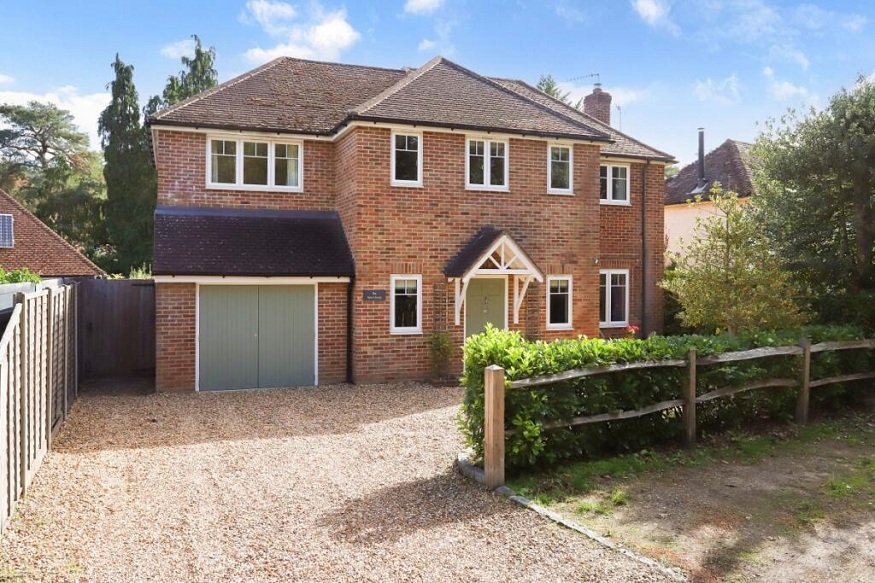
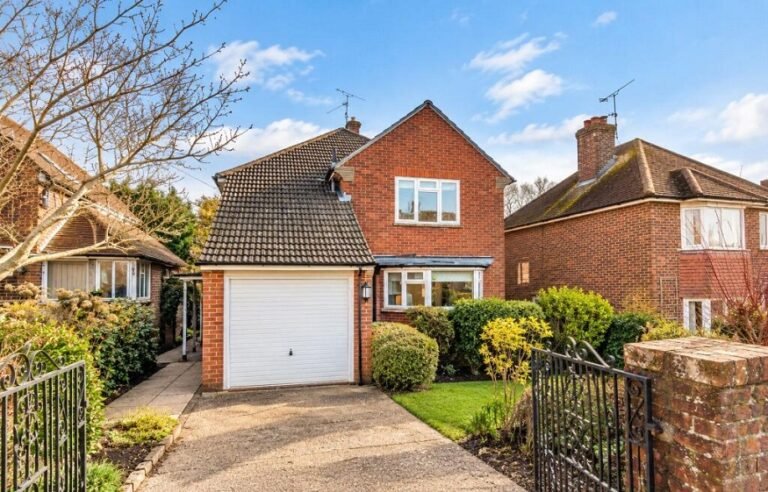
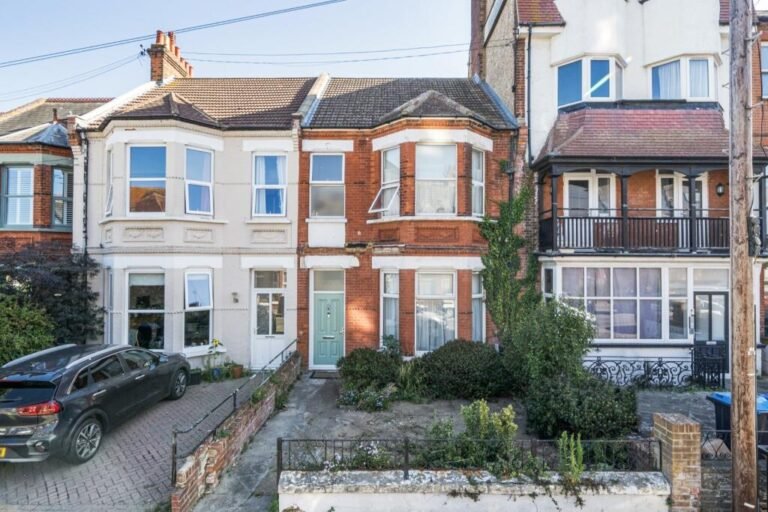
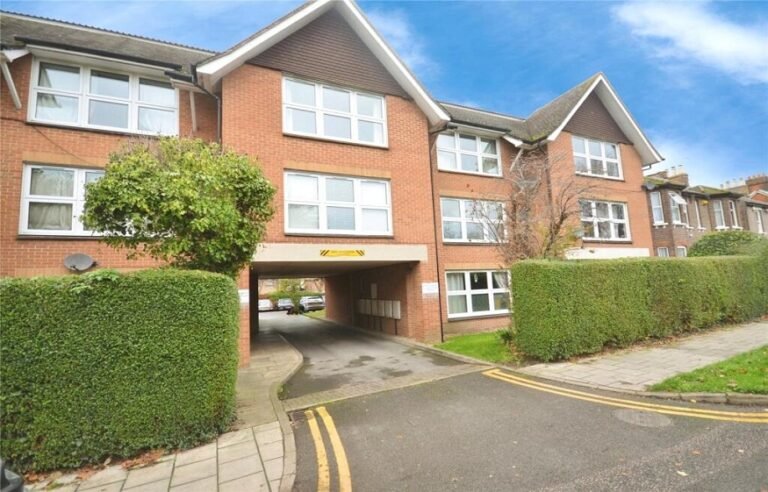
One of Sydenham’s defining characteristics is its varied housing stock. The area includes Victorian houses, Edwardian terraces, converted period properties, purpose-built flats and more modern residential developments. This variety creates opportunities for people with different budgets, household sizes and property preferences.
According to Lewisham Council’s ward profile, flats account for a substantial proportion of Sydenham’s housing, alongside terraced and semi-detached homes. This makes it particularly important to look beyond the advertised number of bedrooms when comparing properties.
Read More: 5 Factors That Influence Your Property Valuation in Farnham
For example, a one-bedroom flat in a converted Victorian house may offer high ceilings, generous windows and original architectural features. A purpose-built apartment might provide a different set of advantages, such as a more standardised layout or dedicated communal facilities. Neither option is automatically better; the right choice depends on the buyer’s priorities, maintenance expectations and budget.
Families looking for additional space may prefer terraced or semi-detached houses, particularly where access to gardens and nearby parks matters. Meanwhile, first-time buyers may find that comparing different flat types helps them identify a property that balances affordability with future flexibility.
When viewing homes, consider the building’s condition, storage, natural light, heating arrangements and the potential cost of future improvements. For leasehold flats, reviewing the lease length, service charges, ground rent provisions where applicable, and planned major works is also essential.
Location matters beyond the property itself
A property’s appeal is closely connected to its immediate surroundings. Two homes with similar floor areas and asking prices can offer very different living experiences depending on their streets, transport options and nearby facilities.
Sydenham sits between areas including Forest Hill, Crystal Palace and Beckenham. Its different pockets have their own characteristics, so prospective residents should explore the specific location rather than relying on a broad description of the neighbourhood.
For commuters, the area’s rail connections can be an important consideration. Sydenham, Lower Sydenham and Sydenham Hill stations serve different routes, making it worthwhile to check which station best suits a regular journey. Actual travel times, service frequency and interchange requirements should be checked against the destinations and times that matter to the household.
Lifestyle considerations are equally important. Residents may value access to Mayow Park, Sydenham Wells Park, local shops or the independent businesses around Sydenham Road. Others may prioritise proximity to schools, healthcare facilities or relatives living nearby.
A useful approach is to visit a potential neighbourhood at different times of day. Morning traffic, evening activity, parking availability and the walk to a station can all affect everyday convenience. Estate agents can explain the local geography, but spending time in the area helps buyers and renters decide whether it fits their own routines.
Asking the right questions when viewing a property
Property viewings are an opportunity to gather information, not simply decide whether a home looks attractive. A carefully prepared set of questions can reveal issues that might otherwise be overlooked.
Start by asking about the property’s age, maintenance history and any significant work carried out by the current owner. In older homes, it may be sensible to investigate the condition of the roof, windows, plumbing, electrics and any signs of damp. A viewing alone cannot establish the full condition of a building, so an appropriate survey should be considered before committing to a purchase.
For flats, ask about shared areas, building maintenance and the responsibilities of the freeholder, management company or other relevant parties. Buyers should understand how communal repairs are funded and whether major expenditure is anticipated.
Energy efficiency also deserves attention. Check the property‘s Energy Performance Certificate and consider whether its heating system, insulation and windows are suitable for the household’s needs. Improvements may be possible, but their cost should form part of the overall budget.
It is also worth asking why the property is being sold, how long it has been marketed and whether there are any known restrictions or issues affecting the transaction. Answers should be verified where appropriate through the conveyancing process, survey and supporting documentation.
For renters, the questions will differ. Clarify the rent, deposit arrangements, tenancy terms, utility costs, maintenance reporting process and any restrictions that could affect everyday living.
Comparing estate agency services before making a decision
Not every estate agency offers the same level of service. Some concentrate primarily on property sales, while others also provide lettings and property management. Understanding what support is available can help buyers, sellers, landlords and tenants establish realistic expectations.
If you are selling, ask how the agent intends to market your property, arrange viewings and communicate feedback. A proposed asking price should be supported by relevant comparable properties and a clear explanation of the reasoning behind it. An ambitious valuation is not necessarily evidence of a stronger selling strategy.
If you are buying, an agent should be able to provide accurate information about the property, explain the offer process and communicate clearly as matters progress. Remember that an estate agent marketing a property generally acts for the seller, so independent legal and surveying advice remains important.
Read More: Estate Agents in Margate: Pricing Your Property to Sell
For prospective tenants, clarity around application requirements, tenancy arrangements and property availability can help avoid wasted time. Landlords, meanwhile, may want to compare tenant-finding services with fully managed options, paying particular attention to fees, responsibilities and communication standards.
When comparing estate agents in Sydenham, look at more than online reviews or brand recognition. Consider local knowledge, responsiveness, transparency and whether the service matches your actual requirements. Ask for written details of fees and terms before agreeing to an agency instruction.







+ There are no comments
Add yours